Mobile app marketing is evolving with new trends, from centralized data to Connected TV (CTV). Here are 5 predictions to help marketers optimize their strategies.
Centralized Data Boosts Efficiency
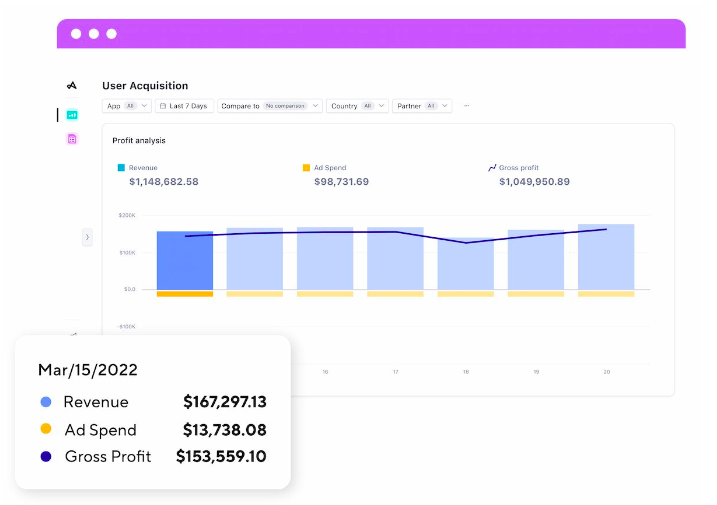
Simon “Bobby” Dussart, CEO of Adjust, emphasizes that amid tight budgets, leveraging centralized data for mobile app marketing is essential. A unified analytics system enables marketers to make quick decisions on ad spend allocation.
This approach boosts efficiency while cutting long-term costs through economies of scale. Tools like Adjust’s Datascape allow marketers to manage data from multiple channels, offering a competitive edge in 2023.
Big Brands Launch Ad Networks for Mobile Marketing
Katie Madding, Chief Product Officer at Adjust, notes that major brands like Spotify and Walmart are building their own ad networks, monetizing first-party data. This shift transforms mobile app marketing, once dominated by social media giants.
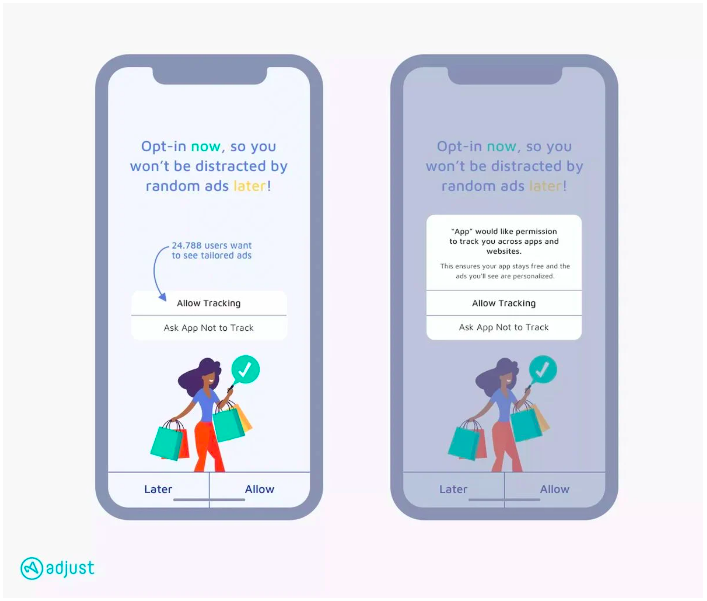
Companies with large user bases and high opt-in rates will lead the way. Mobile app marketers should prioritize user consent to enhance advertising strategies in this evolving landscape.
CTV Strategies Enhance Mobile App Targeting
Gijsbert Pols, CTV Director at Adjust, predicts a surge in niche streaming services thanks to CTV and models like AVOD and FAST. This opens opportunities for mobile app marketing to target specific audiences with precision.
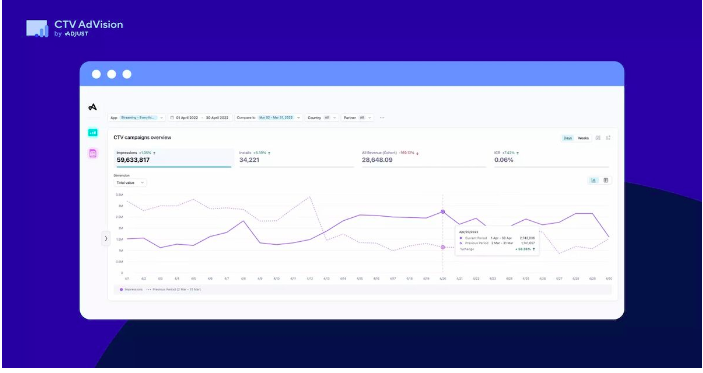
Though lacking the reach of traditional TV, CTV offers nuanced targeting based on demographics and behavior. Tools like CTV AdVision help mobile app campaigns leverage this channel for higher ad effectiveness in 2023.
Media Mix Modeling Returns to Mobile App Forecasting
Reggie Singh from Adjust forecasts a revival of media mix modeling (MMM) in mobile app marketing as companies focus on budget planning post-pandemic and amid economic uncertainty. Unlike relying solely on historical data, MMM assesses the impact of channels like CTV and podcasts.
Measuring non-traditional channels will refine this app strategies, providing a broader view of marketing performance throughout 2023.
Proving ROI Becomes Critical for Mobile App Campaigns
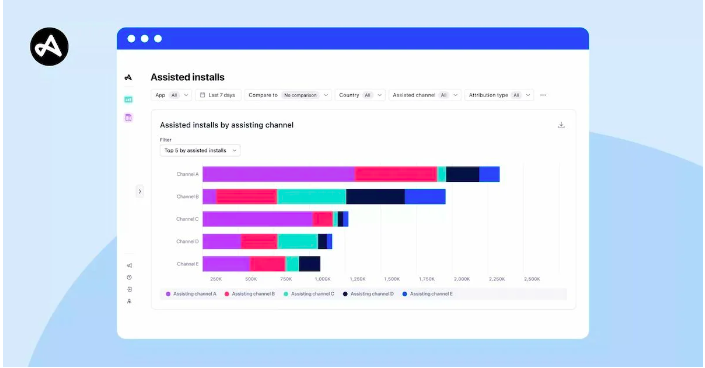
Simon “Bobby” Dussart stresses that with economic challenges, proving ROI in mobile app marketing is now business-critical. eMarketer predicts mobile advertising will account for 76% of global digital ad spend by 2024, offering vast potential for apps.
Precise measurement drove the shift to digital over the past decade, and now it’s propelling mobile app growth. Platforms like Adjust help track financial metrics and performance, ensuring better ROI control.
In 2023, mobile app marketing is defined by centralized data, CTV, and the need to prove ROI. These trends not only optimize app strategies but also unlock new competitive opportunities, solidifying their role in the digital era.
FAQs
1. What is Mobile Marketing?
Mobile Marketing is a marketing strategy that uses smartphones, tablets, and other mobile devices to deliver messages and promote products or services.
Brands can reach customers anytime, anywhere through SMS, in-app ads, social media, push notifications, email, QR codes, or mobile game ads.
This approach leverages high mobile usage to create personalized experiences, enhance engagement, and increase conversions.
2. How many types of Mobile Marketing are there?
Mobile Marketing can be executed through various formats tailored to user behavior and campaign goals. The most common types include:
- SMS/MMS Marketing: Sending text or multimedia messages to share offers, discounts, or confirmations.
- Push Notifications: Delivering real-time updates and reminders through mobile apps.
- In-App Advertising: Showing banners, images, and video ads within mobile applications.
- Mobile Search & Social Ads: Displaying ads when users search or browse social platforms on mobile.
- Location-Based Marketing (LBS): Sending messages based on users’ real-time physical location.
- QR Codes / Mobile Web: Providing instant access to information via QR scanning or mobile-optimized websites.
- App-Based Marketing: Creating dedicated mobile apps to enhance shopping, engagement, and customer service.
3. Is Mobile Marketing essential for small and medium-sized businesses?
Yes. Mobile Marketing is essential for SMBs because today’s consumers stay connected through their smartphones all day.
Reaching them through SMS, push notifications, in-app ads, or a mobile-optimized website helps businesses deliver the right message at low cost while tracking performance in real time.
This improves brand visibility, increases conversions, and strengthens competitiveness against larger brands.
4. Is Mobile Marketing expensive?
No. Most Mobile Marketing activities cost significantly less than traditional advertising.
SMS campaigns, push notifications, and in-app ads are affordable and budget-friendly. The key is continuous monitoring and optimization to reduce the cost per conversion.
5. How can the effectiveness of a Mobile Marketing campaign be measured?
Performance can be measured through key metrics such as open rate, click-through rate, conversion rate, engagement time, and mobile session volume.
These insights allow businesses to refine content, frequency, and channel selection for better results.
Conclusion
In conclusion, mobile app marketing is rapidly evolving, driven by centralized data, Connected TV, media mix modeling, and the growing need to prove ROI.
Staying ahead in this landscape requires marketers to embrace data-driven strategies, leverage emerging channels like CTV, and continuously optimize campaigns to maximize performance and conversions.
By integrating these trends into your mobile marketing approach, you can gain a competitive edge and unlock new growth opportunities for your app.
Hopefully, the information that Smartcom Agency provides above can help you gain more useful marketing knowledge. Don’t forget to visit Smartcom’s news for weekly updates.